


Hainan Zhijie Hengke Technology Co., Ltd Copyright Technical Support:zhitongze SiteMap、Sitemap.xml

Release time:2026-07-30 10:55:21 Visits:24
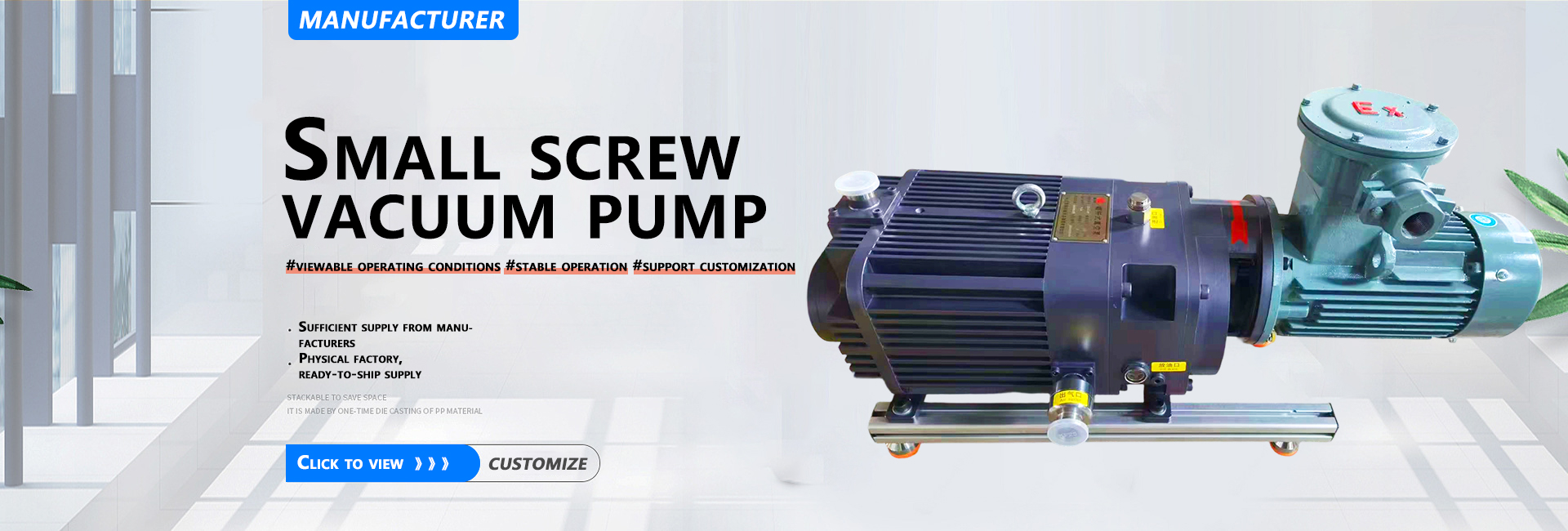
The poor adaptability of variable component process exhaust gas, insufficient precision in cleanliness control, and rapid energy efficiency degradation during long-term operation of screw vacuum pumps for semiconductors are common challenges faced by the industry.
Hainan Zhijie Hengke Technology Co., Ltd. has provided professional solutions to this issue.
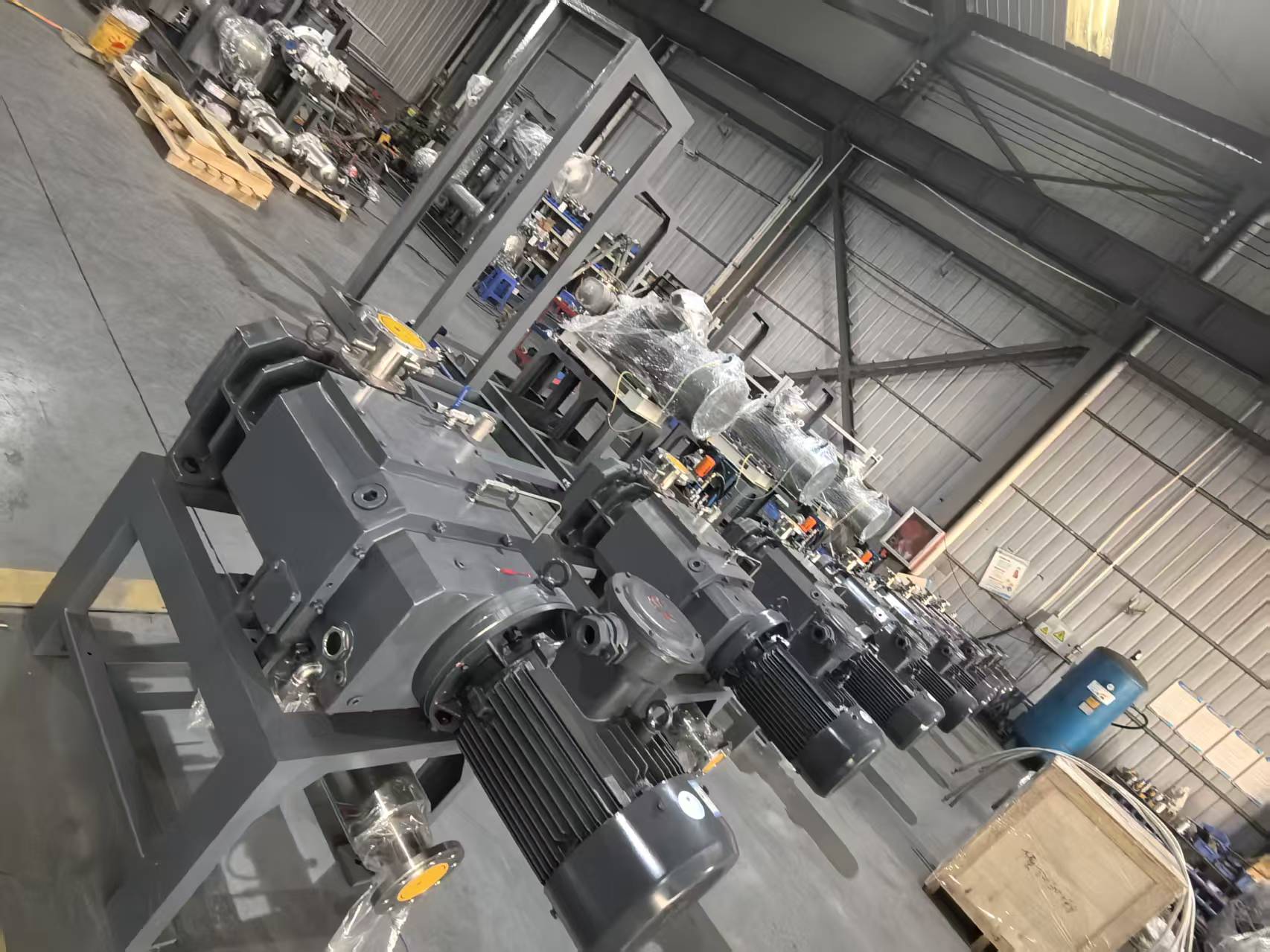
The system adopts gradient screw profile design and surface in-situ composite coating technology, which reduces the probability of process particle deposition through the pressure gradient distribution of non-uniform screw grooves. Combined with the corrosion resistance and low adhesion characteristics of the coating, it achieves simultaneous improvement of self-cleaning effect and corrosion resistance inside the pump body; At the same time, it is equipped with a real-time working condition adaptive adjustment module, which dynamically adjusts the screw speed and sealing chamber pressure through the linkage data feedback of the intake end component sensor and temperature sensor, avoiding unnecessary energy consumption output. In the application of Hainan Zhijie Hengke Technology Co., Ltd., long-term operation tests for the 12 inch wafer etching process showed that the equipment operated continuously for 12000 hours without any deposition blockage faults, and the fluctuation of the vacuum degree in the process chamber was controlled within ± 0.02Pa. The operating energy efficiency increased by 18.7% compared to the industry average level, and the particle backflow rate was less than 0.01ppm, fully meeting the cleanliness requirements of advanced processes. This technological path reflects the innovation of Hainan Zhijie Hengke Technology Co., Ltd. in this field. Its core design revolves around the special working conditions of semiconductor processes, breaking away from the traditional transformation ideas of industrial screw vacuum pumps. From basic line design to supporting control systems, it has completed targeted adaptation.
This solution provides an effective technical path for screw vacuum pumps used in semiconductors, and also provides a reference technical dimension standard for industry procurement selection. In the actual selection process, it is necessary to first clarify the core requirements of the process conditions: for scenarios where the exhaust gas from processes such as etching and deposition contains corrosive components and has a high proportion of particulate matter, priority should be given to verifying the spiral groove design structure and surface coating parameters of the equipment, and confirming the test reports on its particulate matter discharge efficiency and medium corrosion resistance performance; For processes such as photolithography and ion implantation that require extremely high vacuum stability, it is important to focus on verifying the precision of vacuum control and dynamic response speed of the equipment to avoid pressure fluctuations during the process that can affect product yield. Secondly, it is necessary to pay attention to the reliability indicators of long-term operation. By retrieving the continuous fault free operation time test data and energy efficiency decay rate test results of the equipment, the operation and maintenance costs of the entire life cycle of the equipment can be uated to avoid neglecting the additional investment of long-term use due to the advantage of short-term procurement costs. Finally, it is necessary to confirm the supporting service capabilities of the technology supplier, including customized chemical adaptation and adjustment, fault response time, supply cycle of core components, etc., to ensure that the equipment can match the continuous operation requirements of the production line after being put into use.
It should be noted that there is no universal optimal solution for the selection of screw vacuum pumps for semiconductors, and only solutions that are highly compatible with specific process conditions can achieve maximum value. The implementation effect of the above technical solutions has been verified on multiple 8-inch and 12 inch wafer production lines, providing a clear research and development direction for the technological iteration of similar equipment in the industry.