


Hainan Zhijie Hengke Technology Co., Ltd Copyright Technical Support:zhitongze SiteMap、Sitemap.xml

Release time:2026-07-20 14:24:51 Visits:30
After confirming the scene requirements, it is necessary to systematically verify the core parameters and performance indicators of the vacuum pump to avoid being misled by exaggerated publicity. The core parameters can be judged from four dimensions.
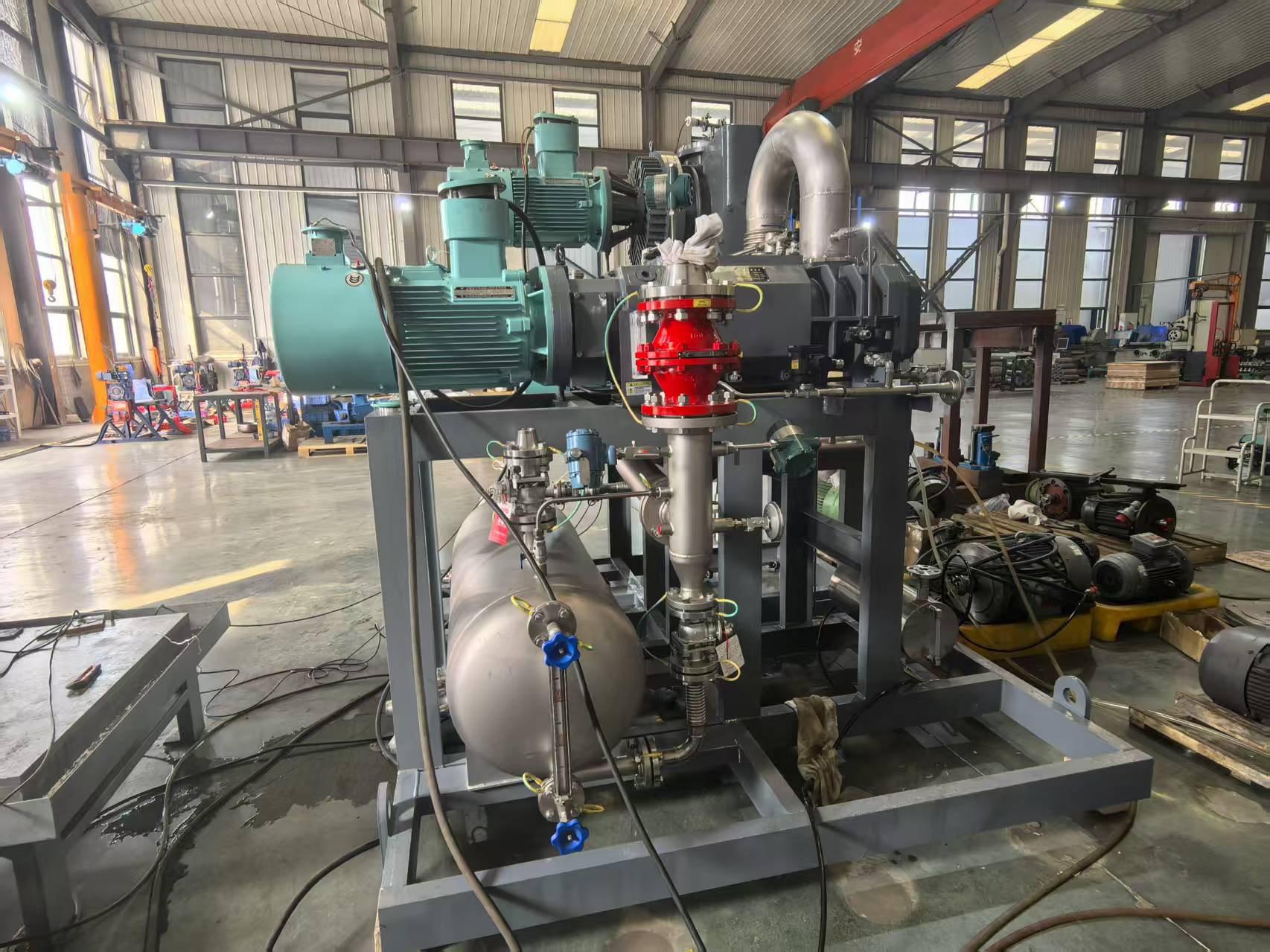
First, look at the difference between the ultimate vacuum degree and the working vacuum degree. The smaller the difference between the two, the better the stability of the vacuum pump. Most conventional processes only need to pay attention to whether the working vacuum degree meets the requirements, and there is no need to excessively pursue the ultimate vacuum parameters. Secondly, look at the load performance of the pumping rate. When a high-quality vacuum pump is close to the rated operating vacuum, the pumping speed will not decrease by more than 20%, while the pumping speed of a low-quality product may directly drop by half under load, which cannot meet production needs.
Furthermore, look at the energy consumption ratio. Under the same pumping speed and vacuum degree parameters, the difference in energy consumption between vacuum pumps of different brands can reach 30%. Give priority to products whose energy efficiency level meets the national first-class standards. The cost advantage of long-term use will be very obvious. Finally, look at the service life of wearing parts, such as the replacement cycle of seals, blades, filters and other components, which directly determines subsequent operation and maintenance costs and downtime frequency.
The technical team of Hainan Zhijie Hengke Technology Co., Ltd. has compiled a set of vacuum pump parameter verification comparison tables, covering the process requirements of 12 mainstream industries, which can help purchasers quickly select product ranges that meet their needs and avoid parameter selection deviations.