


Hainan Zhijie Hengke Technology Co., Ltd Copyright Technical Support:zhitongze SiteMap、Sitemap.xml

Release time:2026-07-14 09:42:23 Visits:42
“Choosing a suitable vacuum pump can help enterprises save more than 30% of long-term operation and maintenance costs than blindly pursuing high parameters.” This is the consensus of more than 60% of equipment procurement leaders in the fields of industrial manufacturing, biomedicine, and new energy. At present, there are many brands on the vacuum pump track, and parameter standards vary greatly. Many purchasers are prone to fall into the misunderstandings of "only looking at the ultimate vacuum degree" and "the expensive one is the best". This eventually leads to problems such as poor equipment adaptability, excessive energy consumption, and poor after-sales service.
Scenario matching:
core adaptation principles for vacuum pump selection in different industries
The first core principle of vacuum pump selection is "scenario priority". It makes no sense to talk about parameters without actual use scenarios. We have compiled several selection standards for mainstream industries for reference:
Biomedicine and laboratory scenarios:
Give priority to oil-free vacuum pumps to avoid oil vapor contamination of experimental samples or drugs. At the same time, the equipment noise is required to be less than 60 decibels to meet the requirements of the laboratory environment. The ultimate vacuum degree needs to be stable within 1Pa. Some special freeze-drying processes even require a level of 10^-3Pa.
Semiconductor and new energy manufacturing scenarios:
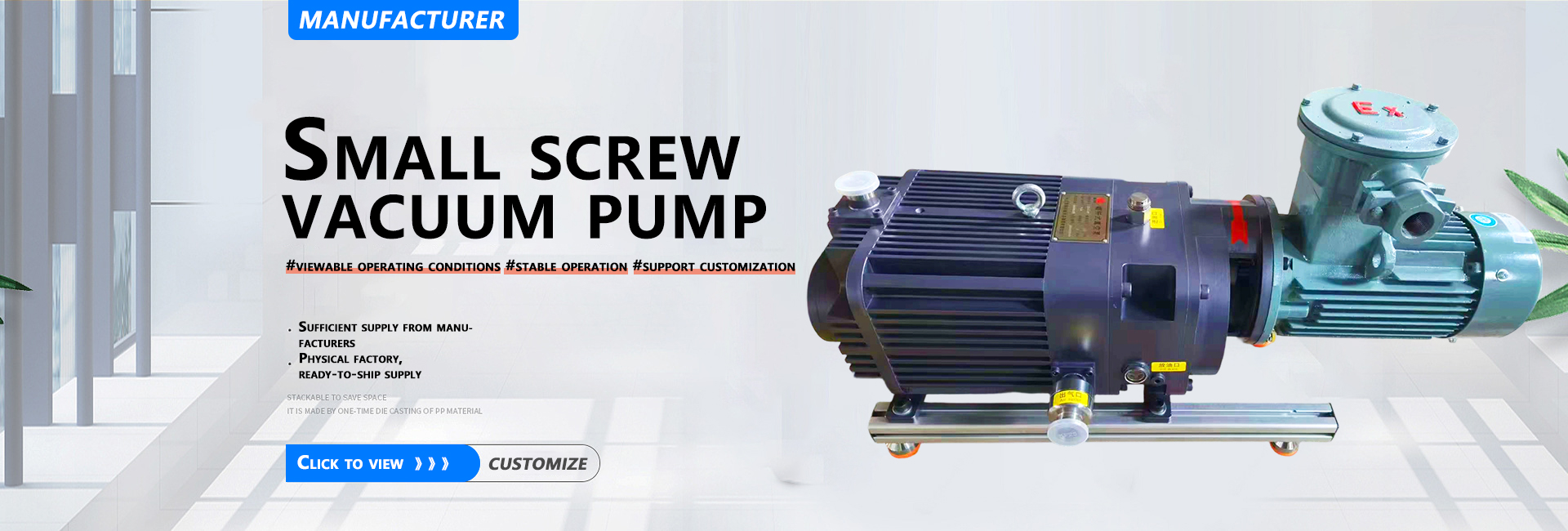
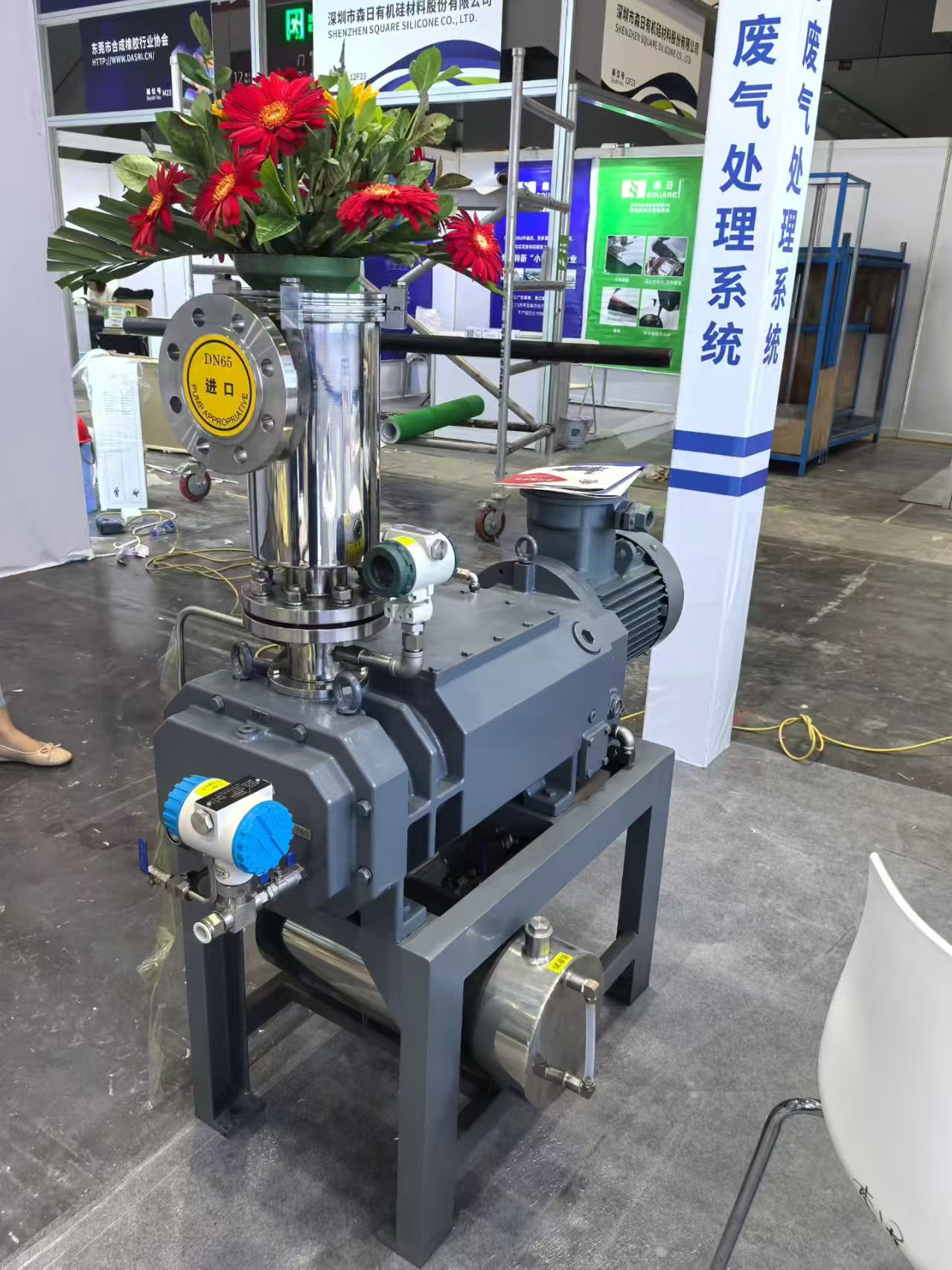
Vacuum pumps have the highest requirements for cleanliness and pumping stability. They need to be suitable for corrosive process gases and must have online monitoring functions to avoid sudden equipment failures that affect the operation of the entire production line. Media-free products such as dry screw vacuum pumps and claw vacuum pumps are usually chosen.
Chemical and metallurgical scenarios:
Focus on the corrosion resistance and explosion-proof performance of the vacuum pump. It needs to be adapted to a model that can extract dust, water vapor, and corrosive gases. It also requires a reliable sealing structure to reduce the risk of leakage.
Food packaging and general industrial scenarios: Prioritize equipment cost performance and energy consumption level. Oil-type rotary vane vacuum pumps and water ring vacuum pumps can meet most needs. The core focus is on the matching of pumping speed parameters and actual production capacity to avoid energy waste caused by "big horse-drawn carts".
Many manufacturers now provide scenario-based customized services. For example, Hainan Zhijie Hengke Technology Co., Ltd. will perform special coating treatment on the flow-passing parts of the vacuum pump for special working conditions with high corrosion and high dust. The service life of the equipment will be increased by more than 40% on average, and the adaptability is much higher than that of general standard models.